CERAMIC PIPE LININGS
CERAMIC LININGS
Known as industrial ceramic linings, these consist of a layer of advanced ceramic materials installed inside pipes, hoppers, mills, and other industrial equipment to protect them against extreme wear, abrasion, and corrosion.
Key Benefits
- Abrasion resistance: Prevents wear caused by the continuous flow of solid materials, slurry, or sand—a common occurrence in mining.
- Corrosion protection: Prevents acids, salts, and bases from damaging the pipe’s metal, maintaining the purity of the transported fluids.
- Thermal insulation: Withstands extreme heat in boilers or high-temperature processes without deforming the base steel.
- Non-stick surface: Prevents residues such as ash or slag from sticking, improving flow and heat transfer.
- Reduced maintenance: Minimizes plant downtime and the costs of cleaning or replacing parts.
Types Based on Design and Installation Format
- Flat ceramic plates and tiles (Tiles): Standard or rectangular pieces bonded with epoxy adhesives or welded using central bolts in hoppers, channels, and cyclones.
- Monolithic linings: Continuous, jointless layers with high mechanical strength, ideal for pipes or hoppers exposed to severe flow conditions.
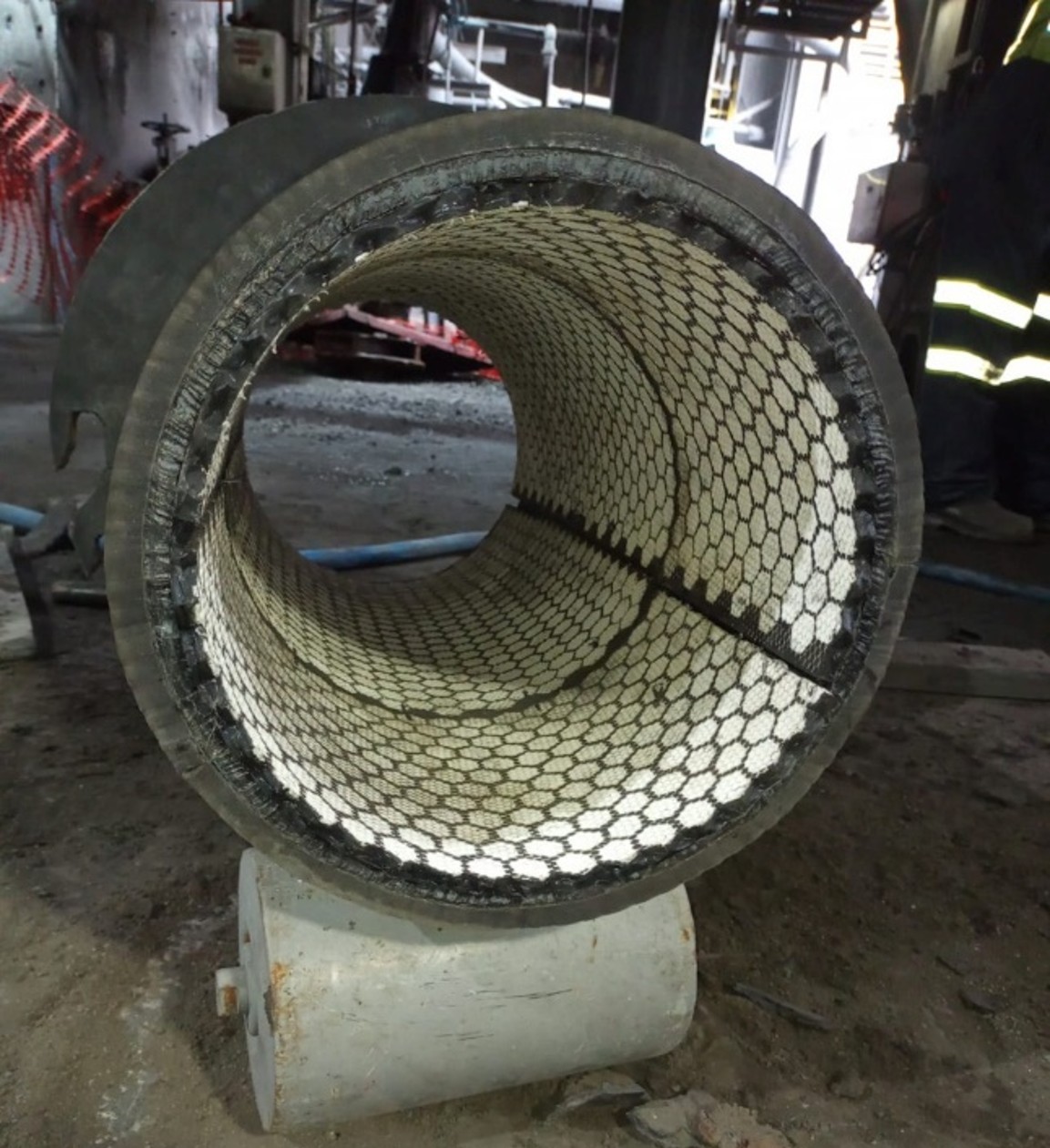
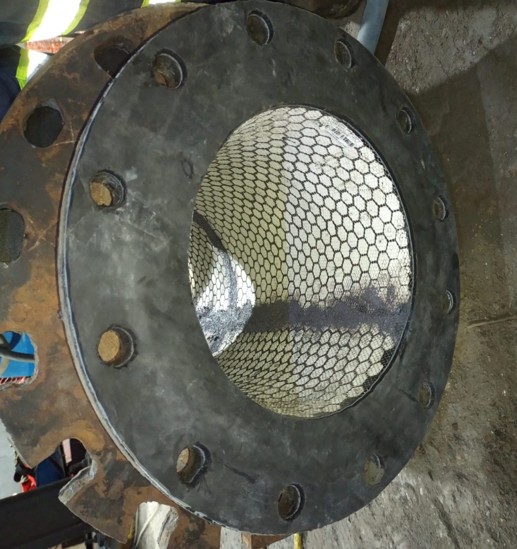
- Ceramic mesh or mosaics (Textiles): Small hexagonal pieces attached to a fabric or rubber mesh, perfect for curved surfaces, pipes, and elbows with complex geometries